

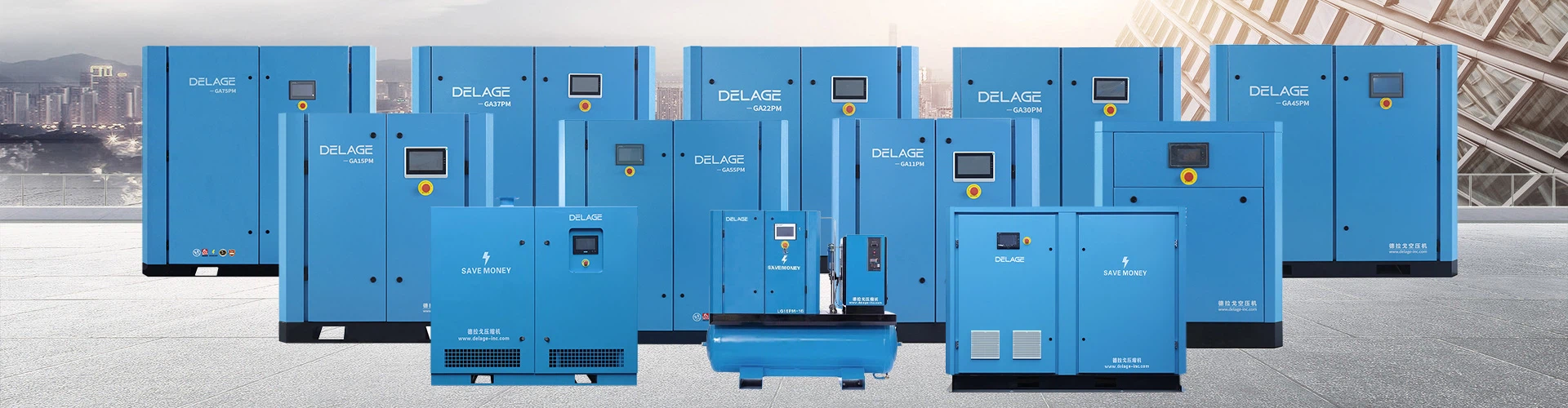
Choosing a centrifugal compressor is a crucial decision that involves considering various factors to ensure the selection aligns with the specific requirements of the application. This process requires a thorough understanding of the compressor's operating principles, performance characteristics, and the demands of the intended use. Here's a comprehensive guide to assist you in making an informed choice.
The first step in selecting a centrifugal compressor is to identify the specific application and its requirements. This involves understanding the type of gas or air to be compressed, the desired inlet and outlet pressure ranges, the required flow rate, and the operating conditions. These factors will significantly influence the compressor's design, size, and performance.
It's essential to evaluate the compressor's efficiency. Efficiency determines how much of the input energy is converted into useful work, and a higher efficiency translates into lower energy costs and reduced environmental impact. Look for compressors with high-efficiency ratings that can meet or exceed your performance expectations.
Reliability is another crucial factor to consider. A centrifugal compressor is a capital-intensive piece of equipment, and downtime due to frequent breakdowns can be costly. Choose a compressor from a reliable manufacturer with a proven track record of durability and long service life. Consider the availability of spare parts and the manufacturer's support and maintenance services.
Scalability is also an important aspect to consider, especially if you anticipate changes in your operational requirements in the future. Select a compressor that can be easily scaled up or down to meet varying loads, either through modular designs or the ability to add additional stages or units.
Maintenance requirements should also be taken into account. Some compressors may require more frequent maintenance than others, and this can add to the overall cost of ownership. Choose a compressor that offers easy access to internal components for inspection and repair, and ensure that the maintenance schedule is compatible with your operational needs.
Consider the compressor's noise and vibration levels. Excessive noise and vibration can not only be a nuisance but can also lead to premature wear and tear of the equipment. Look for compressors that have been designed to minimize noise and vibration levels, and ensure that they comply with local noise regulations.
It's important to compare the cost of different compressors. While the initial purchase price is an essential factor, it's also crucial to consider the long-term costs, including energy consumption, maintenance, and replacement parts. Evaluate the overall cost of ownership and select a compressor that offers the best value for your money.
Choosing a centrifugal compressor involves a multifaceted analysis that considers the application's specific requirements, efficiency, reliability, scalability, maintenance, noise and vibration levels, and cost. By carefully evaluating these factors, you can make an informed decision that ensures the compressor meets your needs and provides optimal performance over its lifetime.


