

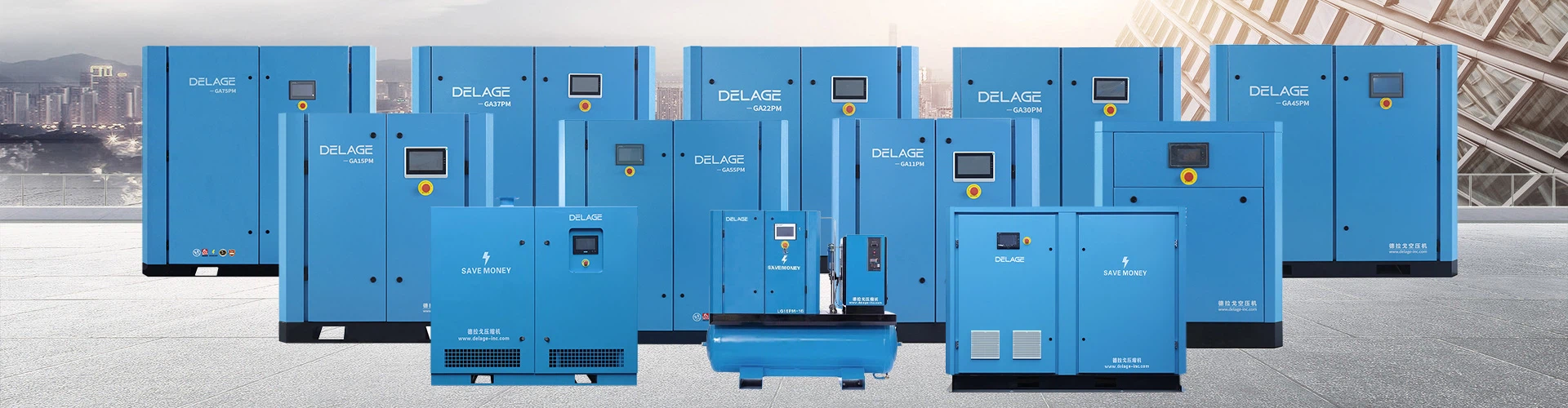
Air compressors are vital pieces of equipment across various industries, from construction and manufacturing to automotive and aerospace. They provide the compressed air needed to power tools, machines, and other equipment. With so many types of air compressors available, it can be challenging to determine which one is the most efficient. However, a closer look at the different types and their operating characteristics can help identify the most efficient air compressor for a given application.
The most common types of air compressors are reciprocating, rotary screw, and centrifugal. Each type has its unique advantages and disadvantages in terms of efficiency, power, and cost.
Reciprocating Air Compressors: These compressors use pistons that move up and down within cylinders to compress air. They are typically less expensive and easier to maintain than other types of compressors. However, they tend to be less efficient at higher pressures and may require more frequent maintenance due to the moving parts.
Rotary Screw Air Compressors: These compressors use two rotating screws to compress air. They are known for their high efficiency, low noise levels, and ability to handle continuous operation. Rotary screw compressors are often used in industrial applications where a reliable and consistent air supply is needed.
Centrifugal Air Compressors: These compressors use centrifugal force to compress air. They are typically used in large-scale applications, such as power plants and refineries, where high volumes of compressed air are needed. Centrifugal compressors are highly efficient at high pressures but can be more expensive and complex to maintain.
When determining the most efficient type of air compressor, several factors must be considered. These include the compressor's power requirements, energy consumption, and ability to handle variable loads.
Rotary screw air compressors often excel in these areas. Their design allows for continuous operation with minimal downtime, reducing energy losses associated with frequent starts and stops. Additionally, rotary screw compressors can handle variable loads efficiently, adjusting their output to match the demand. This flexibility makes them well-suited for applications with fluctuating air requirements.
On the other hand, reciprocating air compressors may suffer from efficiency losses due to their intermittent operation and higher maintenance requirements. Centrifugal compressors, while highly efficient at high pressures, may not be the most economical choice for smaller-scale applications due to their higher initial cost and complexity.
While all types of air compressors have their unique advantages, rotary screw compressors often emerge as the most efficient option for many industrial applications. Their continuous operation, ability to handle variable loads, and low maintenance requirements make them a reliable and cost-effective choice. However, it's essential to consider the specific needs of each application to determine the most suitable and efficient type of air compressor.


