

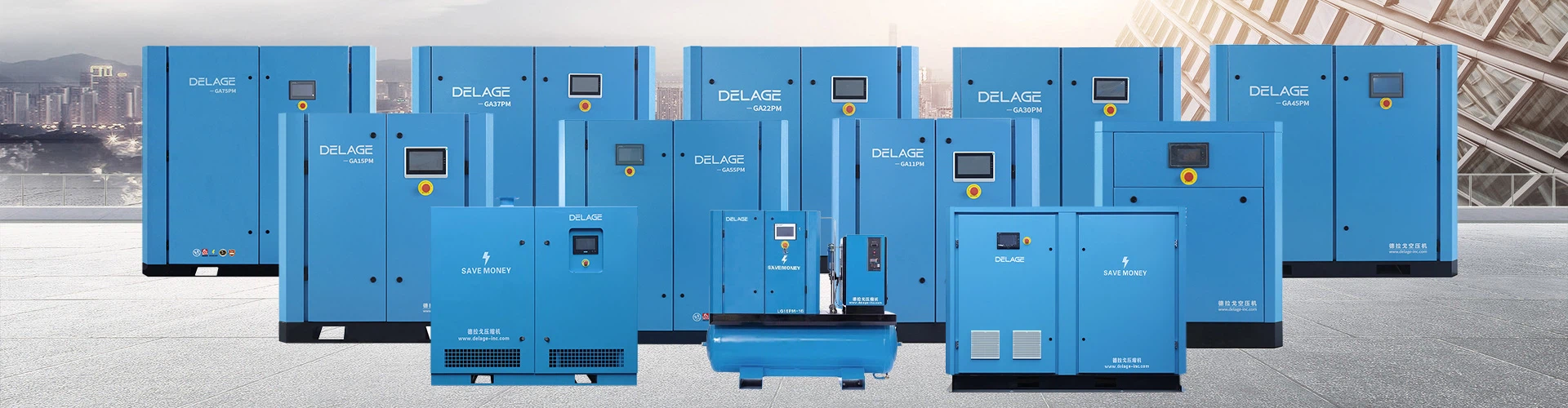
When it comes to compressed air systems, the screw compressor stands out as a reliable and efficient option for continuous, high-volume air compression. Its helical screw design offers a consistent flow of compressed air, making it ideal for a wide range of industrial applications. However, selecting the right screw compressor for your specific needs can be a daunting task. This guide outlines the key factors to consider when choosing a screw compressor to ensure optimal performance and cost-effectiveness.
The first step in choosing a screw compressor is to assess your compressed air requirements. Consider the volume of air needed, the pressure at which it must be delivered, and the duty cycle (how often the compressor will be used). This information will help you determine the capacity and power rating of the screw compressor you need.
Screw compressors can be powered by electricity, diesel, or natural gas. Choose a power source that is reliable, cost-effective, and aligns with your operational needs. Electric screw compressors are typically more energy-efficient and quieter but require a stable power supply. Diesel and natural gas compressors offer mobility and can operate in remote locations or during power outages but come with higher operating costs.
Screw compressors use either oil-flooded or oil-free compression technology. Oil-flooded screw compressors use oil to lubricate the rotors and seal the compression chamber, resulting in higher efficiency. However, they require regular oil changes and may introduce oil vapor into the compressed air, which can be problematic in some applications. Oil-free screw compressors, on the other hand, eliminate the risk of oil contamination but may have slightly lower efficiency and higher maintenance requirements due to their more complex design.
Energy efficiency is a critical factor in the long-term cost-effectiveness of a screw compressor. Look for models with high energy efficiency ratings and features like variable speed drives (VSDs) that allow the compressor to adjust its output based on demand. This can significantly reduce energy consumption and operating costs.
Maintenance requirements and the overall reliability of a screw compressor can significantly impact its total cost of ownership. Look for models with easily accessible components, long service intervals, and a reputation for durability. Consider the availability of spare parts and the manufacturer's support network as well.
Noise and vibration can be significant concerns in compressed air systems, particularly in sensitive environments like hospitals or laboratories. Choose a screw compressor with low noise and vibration ratings to minimize potential disturbances.
If you anticipate future growth in your compressed air needs, choose a screw compressor with modular design features that allow for easy expansion. This can save significant costs by avoiding the need to replace the entire compressor when your requirements increase.
In conclusion, choosing the right screw compressor requires careful consideration of your specific air requirements, power source, compression technology, energy efficiency, maintenance and reliability, noise and vibration levels, and future expansion plans. Taking the time to evaluate these factors will ensure that you select a screw compressor that meets your needs, performs optimally, and provides cost-effective operation over its lifecycle.


