

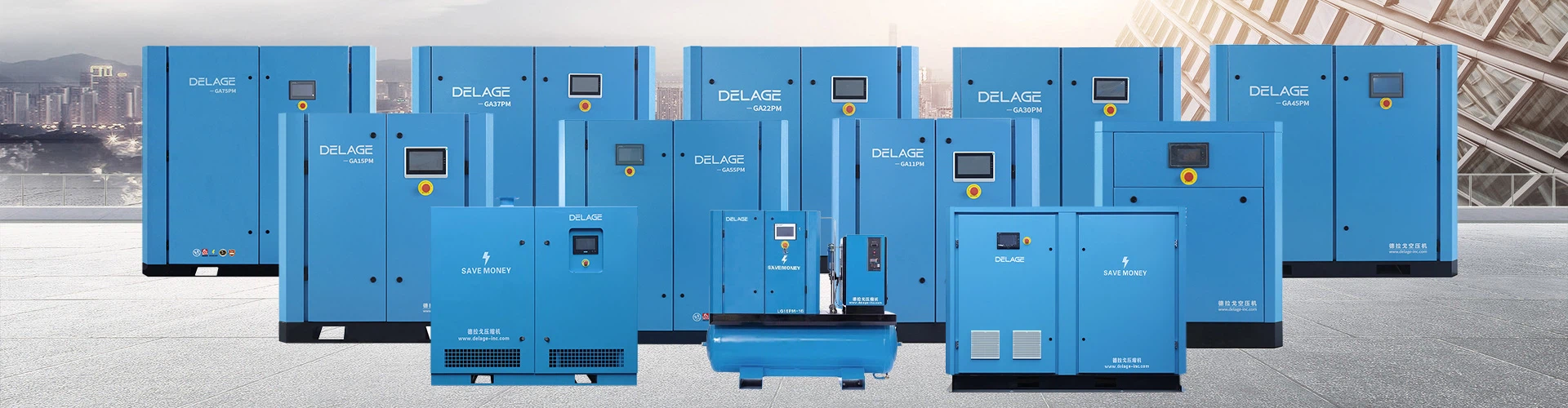
Rotary screw compressors are known for their high efficiency and reliability. They use a rotary screw element to compress air, which means they have fewer moving parts than reciprocating compressors. This results in less wear and tear, meaning rotary screw compressors require less maintenance and have a longer lifespan. In addition, rotary screw compressors are able to handle continuous operation, making them ideal for industrial applications where compressed air is needed around the clock.
Reciprocating compressors, on the other hand, have been a popular choice for many years due to their relatively low cost and versatility. They use pistons to compress air and are able to deliver high pressure. Reciprocating compressors are also able to handle a wide range of applications, including those that require intermittent use.
So, which is better? It really depends on what you need the air compressor for. If you require continuous, high-volume compressed air, a rotary screw compressor is likely the better choice. If you have a smaller operation or need an air compressor that can handle a range of different applications, a reciprocating compressor may be the better choice.
Of course, there are other factors to consider as well. For example, rotary screw compressors tend to be larger and more complex than reciprocating compressors, which can make them more expensive upfront. However, because they require less maintenance and have a longer lifespan, they may end up being more cost-effective in the long run.
The decision between a rotary screw or reciprocating air compressor will depend on a variety of factors, including the specific application, budget, and desired level of efficiency and reliability.


