

Hey there! As a supplier of Turbo Air Blowers, I often get asked about the pressure - flow characteristic curve of these amazing machines. So, let's dive right in and break it down in a way that's easy to understand.
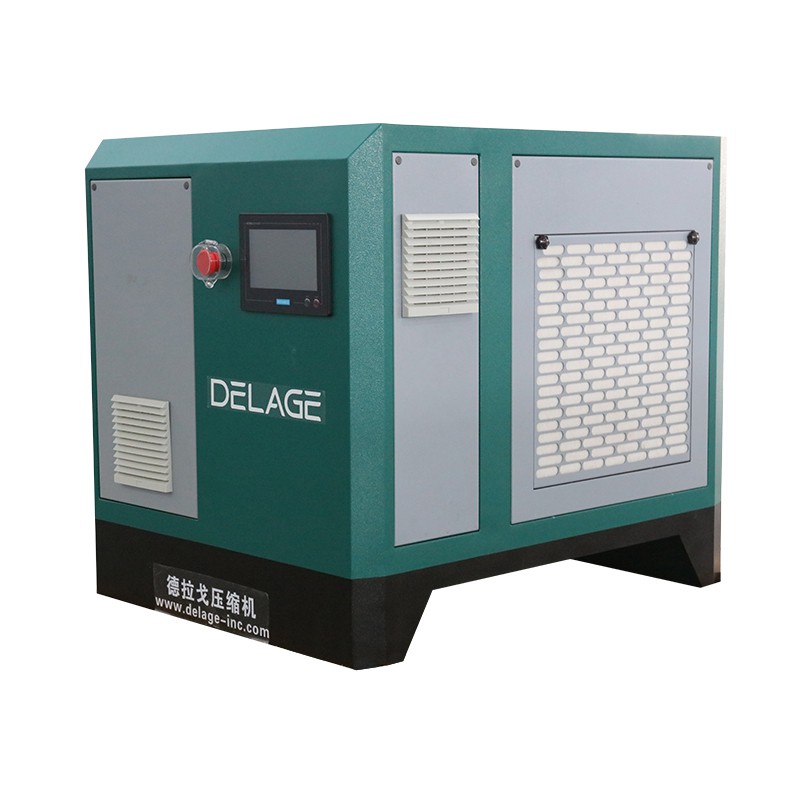

First off, what exactly is a Turbo Air Blower? Well, it's a high - performance piece of equipment used in a variety of industries. You can check out more about them on our website at Turbo Air Blower. These blowers work by using a high - speed impeller to draw in air and then discharge it at a higher pressure. They're super efficient and reliable, which is why they're so popular.
Now, onto the pressure - flow characteristic curve. This curve is basically a graphical representation that shows the relationship between the pressure generated by the blower and the flow rate of the air it moves. In simple terms, it tells you how much air the blower can push out at different pressure levels.
The curve typically has a negative slope. That means as the pressure increases, the flow rate decreases. Why is that? Well, when you try to push air against a higher resistance (which means higher pressure), it becomes harder for the blower to move a large volume of air. It's like trying to push a heavy object; the more resistance you face, the slower you can move it.
Let's take a closer look at the different parts of the curve. At the beginning, when the pressure is low, the blower can move a large amount of air. This is the region where the blower is operating most efficiently. The flow rate is high, and the power consumption is relatively low. It's like when you're running on a flat road; you can move quickly with less effort.
As the pressure starts to increase, the curve starts to slope downwards. The blower has to work harder to push the air against the increasing resistance. This means that the flow rate starts to drop. You might notice that the power consumption also starts to go up. It's similar to running uphill; you have to use more energy to keep moving forward.
There's also a point on the curve called the "surge point." This is a critical point where the flow rate drops suddenly, and the blower can start to experience instability. Surge can cause a lot of problems, like vibrations, noise, and even damage to the blower. So, it's really important to avoid operating the blower near the surge point.
Another important concept related to the pressure - flow characteristic curve is the "operating point." This is the specific point on the curve where the blower is actually working in a real - world application. The operating point is determined by the system requirements. For example, if you're using the blower in a wastewater treatment plant, the required pressure and flow rate will depend on the size of the pipes, the number of diffusers, and other factors.
Now, different types of Turbo Air Blowers can have different pressure - flow characteristic curves. For instance, an Air Foil Bearing Turbo Blower might have a more efficient curve compared to a traditional blower. Air foil bearings reduce friction, which means the blower can operate more smoothly and with less energy loss. This can result in a curve that has a steeper slope in the efficient region, allowing for higher flow rates at lower pressures.
So, why is understanding the pressure - flow characteristic curve so important? Well, it helps you choose the right blower for your application. If you know the required pressure and flow rate for your system, you can look at the curve and see if a particular blower can meet those requirements. It also helps you optimize the operation of the blower. By operating the blower at the most efficient point on the curve, you can save energy and reduce operating costs.
Let's say you're in the market for a Turbo Air Blower. You might be wondering which one is the best fit for you. That's where we come in. As a Turbo Air Blower supplier, we have a wide range of blowers to choose from. You can check out our Turbo Blower Fan options on our website. Our team of experts can help you understand the pressure - flow characteristic curves of our different models and choose the one that's perfect for your needs.
Whether you're in the chemical industry, the power generation sector, or any other industry that requires high - performance air handling, we've got you covered. We offer top - quality Turbo Air Blowers that are built to last. Our blowers are designed with the latest technology to ensure maximum efficiency and reliability.
If you're interested in learning more about our Turbo Air Blowers or have any questions about the pressure - flow characteristic curve, don't hesitate to reach out. We're here to help you make the right decision. We can provide you with detailed information about our products, including their performance curves, energy consumption, and maintenance requirements.
In conclusion, the pressure - flow characteristic curve is a crucial tool for understanding the performance of a Turbo Air Blower. It helps you choose the right blower, optimize its operation, and avoid potential problems like surge. As a supplier, we're committed to providing you with the best products and the knowledge you need to make an informed decision. So, if you're in the market for a Turbo Air Blower, give us a shout. We're ready to start a conversation and help you find the perfect solution for your business.
References:
- Various industry reports on Turbo Air Blower technology
- Technical manuals of Turbo Air Blower products