

As a supplier of Centrifugal Turbo Blowers, I've seen firsthand how the size of these machines can have a huge impact on their performance. In this blog post, I'm gonna break down how different sizes of Centrifugal Turbo Blowers stack up in terms of efficiency, power, and other key factors.
Let's start with the basics. A Centrifugal Turbo Blower works by using a high - speed impeller to accelerate air or gas and then converting the kinetic energy into pressure. The size of the blower, which includes aspects like the diameter of the impeller, the size of the housing, and the overall dimensions, plays a crucial role in determining its capabilities.
Efficiency
One of the most important performance metrics for a blower is its efficiency. Generally speaking, larger Centrifugal Turbo Blowers tend to be more efficient than smaller ones. Why is that? Well, larger impellers can move more air or gas with each rotation. This means that for a given amount of power input, a larger blower can deliver a higher volume of air or gas output.
Think of it like a big truck and a small car. The big truck can carry a lot more cargo in one trip compared to the small car. Similarly, a large - sized Centrifugal Turbo Blower can move a larger volume of air in a single operation. When it comes to industrial applications where large volumes of air or gas need to be moved, this increased efficiency can lead to significant cost savings in the long run.
However, the efficiency isn't just about the size of the impeller. The design of the blower housing also matters. A well - designed housing for a larger blower can help to direct the airflow more effectively, reducing turbulence and energy losses. On our website, you can check out our Centrifugal Turbo Blower models, which are engineered with optimized housing designs to enhance efficiency.
Power and Pressure
The size of a Centrifugal Turbo Blower is directly related to its power and the pressure it can generate. Larger blowers typically have more powerful motors and are capable of generating higher pressures. This makes them suitable for applications that require a high - pressure air or gas supply, such as in pneumatic conveying systems or in some industrial processes where air needs to be forced through a narrow passage.
For example, in a cement manufacturing plant, a high - pressure air supply is needed to transport the cement powder from one part of the plant to another. A large Centrifugal Turbo Blower can easily meet this requirement by generating the necessary pressure. In contrast, a smaller blower might struggle to achieve the same pressure levels, and multiple small blowers might need to be used in parallel, which can increase the complexity and cost of the system.

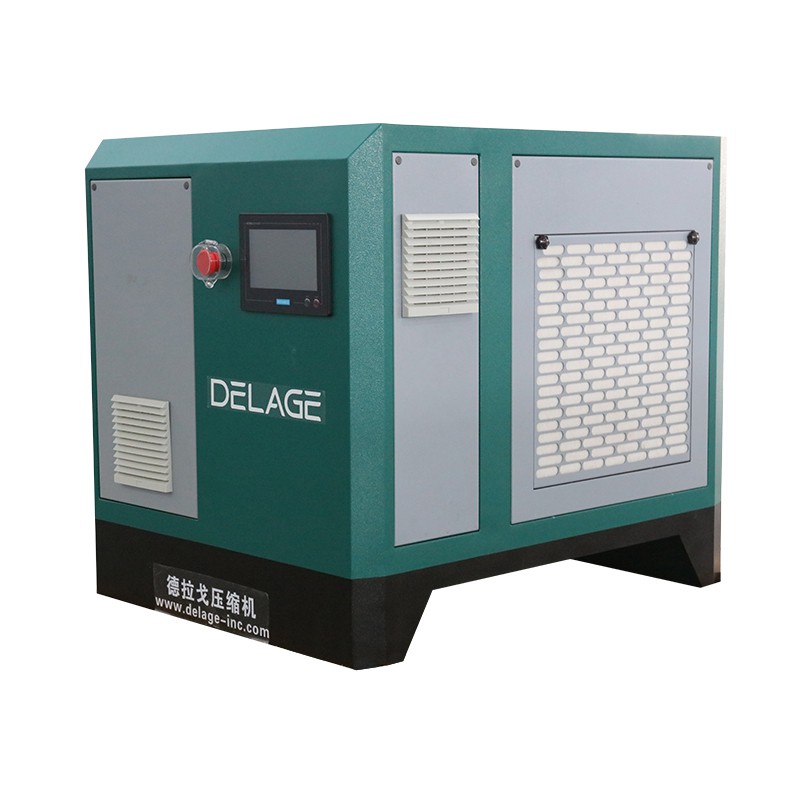
But it's not always the case that bigger is better. In some applications where only a low - pressure and low - volume air supply is needed, a smaller blower can do the job just fine. For instance, in a small - scale laboratory experiment that requires a gentle flow of air, a small Turbo Blower Fan would be more appropriate. It would consume less power and take up less space compared to a large blower.
Noise Level
The size of the blower also has an impact on the noise level it produces. Generally, smaller blowers tend to be quieter than larger ones. This is because larger blowers usually have more powerful motors and larger impellers that rotate at high speeds, which can generate more noise.
In an industrial setting, noise can be a significant issue, especially in areas where workers are present. If noise reduction is a priority, a smaller blower might be a better choice. However, if the application requires a high - volume or high - pressure air supply and noise isn't a major concern, then a larger blower can be used without hesitation.
Space Requirements
Another factor to consider is the space requirements. Larger Centrifugal Turbo Blowers obviously need more space to install and operate. In some industrial facilities where space is limited, a smaller blower can be a practical choice.
But sometimes, the benefits of using a larger blower in terms of efficiency and performance outweigh the space constraints. In such cases, careful planning and design of the installation area can help to accommodate the larger blower. Our team of experts can assist in evaluating the space requirements and providing the best solutions for your specific needs.
Cost
The cost is always a major consideration in any purchasing decision. Larger Centrifugal Turbo Blowers are generally more expensive than smaller ones. This is due to the higher material costs, more powerful motors, and more complex manufacturing processes involved.
However, when looking at the overall cost, it's important to consider the long - term savings in energy and maintenance. A larger and more efficient blower might have a higher upfront cost, but it can lead to lower energy bills over time. Additionally, larger blowers are often more durable and require less frequent maintenance, which can also save money in the long run.
Applications
Different sizes of Centrifugal Turbo Blowers are suitable for different applications.
- Small - sized blowers: These are great for applications where a low - volume and low - pressure air supply is sufficient. Some examples include small - scale ventilation systems in offices or homes, and some laboratory equipment. You can explore our Turbo Air Blower models that are available in small sizes for these types of applications.
- Medium - sized blowers: They are commonly used in industrial processes that require a moderate volume and pressure of air, like in some small - to - medium - sized manufacturing plants for drying or cooling processes.
- Large - sized blowers: As mentioned earlier, large blowers are ideal for industrial applications that demand high volumes and pressures, such as in power plants, wastewater treatment plants, and large - scale chemical manufacturing facilities.
In conclusion, the size of a Centrifugal Turbo Blower has a profound effect on its performance, and choosing the right size is crucial for the success of any application. Whether you need a small, efficient blower for a simple task or a large, powerful one for an industrial - scale operation, we've got you covered.
If you're interested in learning more about our Centrifugal Turbo Blowers or are in the market to make a purchase, don't hesitate to reach out. We're here to help you find the perfect blower for your specific needs. Let's have a chat about your requirements and see how we can work together to get the best solution.
References
- "Centrifugal Blower Handbook", Industrial Blower Manufacturers Association
- "Fluid Mechanics and Thermodynamics of Turbomachinery" by S. L. Dixon